





Computational linguistics: modern paradigms in the study and processing of human languages
Views: 2130
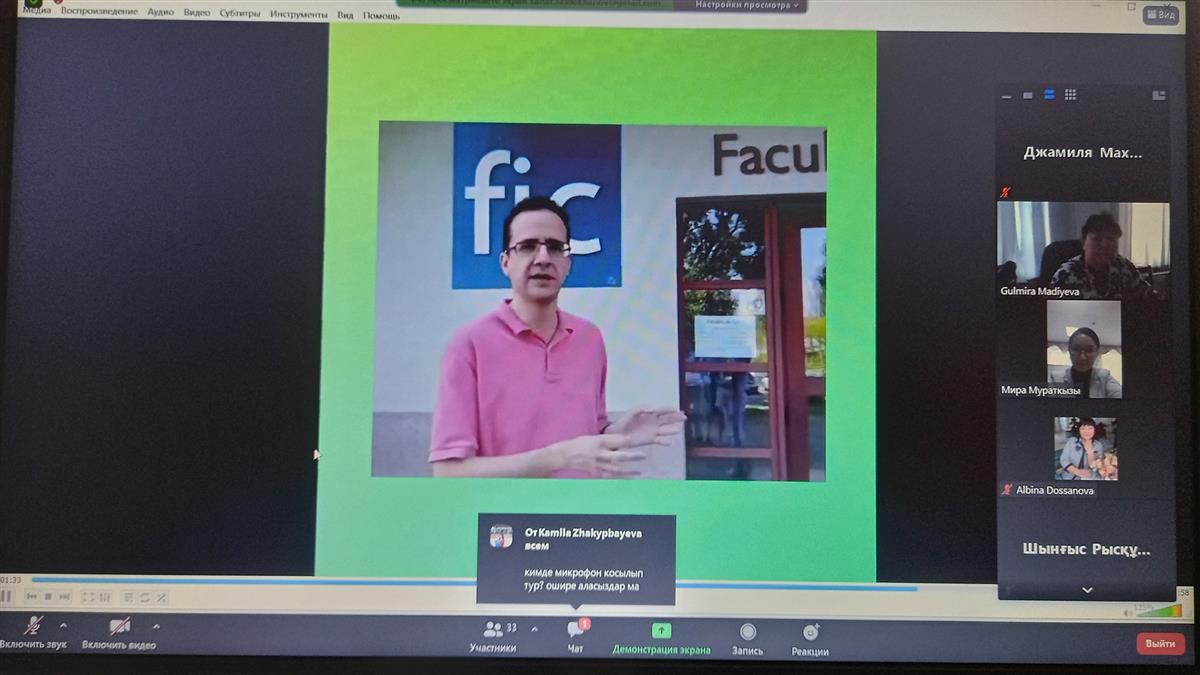
On November 25, 2020, on the ZOOM platform, the Department of General Linguistics and European Languages, together with the Department of Artificial Intelligence and Big Data and the Department of Information Technologies of Al-Farabi Kazakh National University, organized a republican Master class on the topic: "Computational linguistics: modern paradigms in the study and processing of human languages "within the framework of the international project: “ERASMUS”. The moderator of this event was the Deputy Dean for Scientific and Innovative Work, PhD, Dossanova A.M. The event began with a video devoted to the work of the Department of General Linguistics and European Languages in the field of computational linguistics.
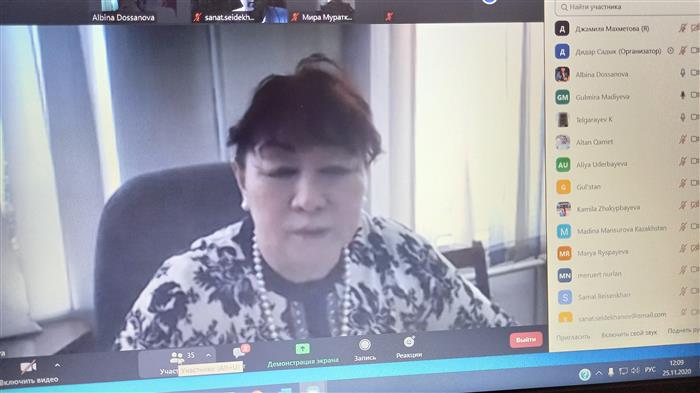
The first floor was given to the head of the Department of General Linguistics and European Languages, Doctor of Philology, Professor Madieva G.B. Professor Madieva G.B. emphasized the relevance of the training of specialists in the field of computational linguistics in the context of Kazakhstan's transition to a digital format.
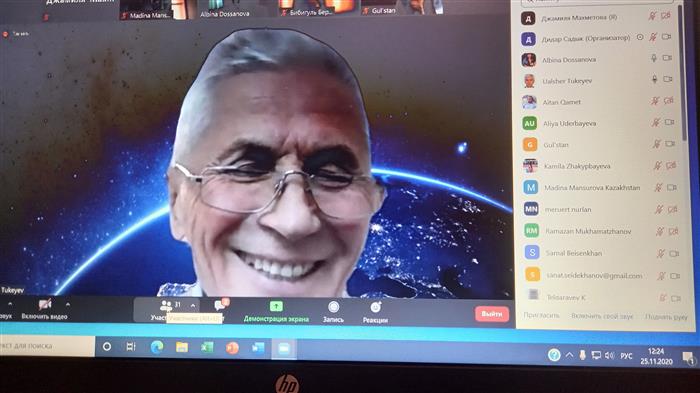
The introductory part of the event was continued by the head of the Department of Artificial Intelligence and Big Data of the Faculty of Information Technologies, Professor M.E. Mansurva. Professor Mansurova M.E. spoke about new trends in information technologies concerning linguistics . Professor A. Tukeev from the Faculty of Information Technologies was invited to the event as a guest. Professor A. Tukeyev spoke about joint projects with the Department of General Linguistics and European Languages and upcoming scientific events in computational linguistics. The introductory part of the event ended with a speech by the foreign guest, Nilufar Abdurakhmanova from Tashkent State University (Uzbekistan), the topic of the report was: Morphological analyzer for corpus analysis on the example of the Uzbek language.
After the introductory part, the section part began, which was presented by the reports of PhD and master students of the Department of General Linguistics and European Languages and the students from other Kazakhstani universities.