






Seminar-training within the project Erasmus+ ENINEDU at the University of Santiago de Compostela (Spain)
Views: 3457
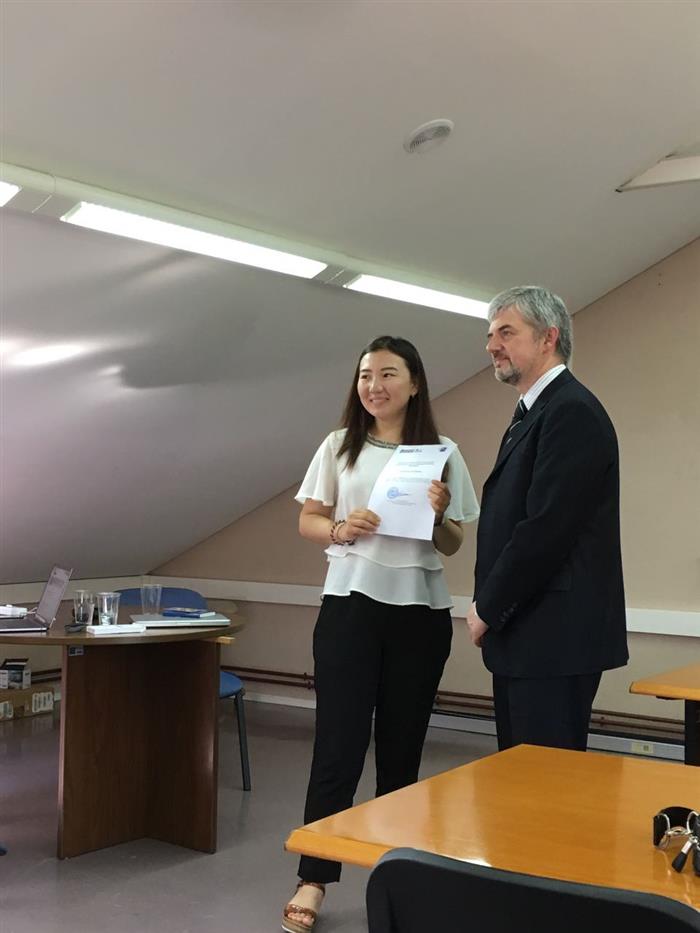
Within the framework of Erasmus+ ENIENDU project, in June 11-22 of 2018 year, the University of Santiago de Compostela held a training seminar on examples and ways of developing and supporting industrial and university cooperation.
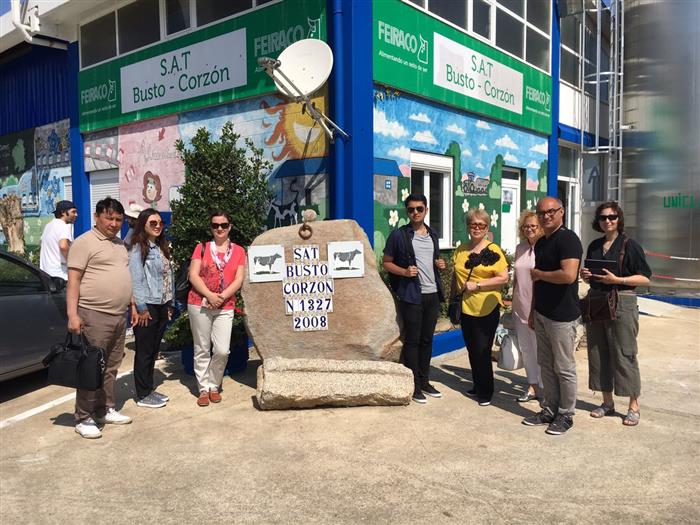
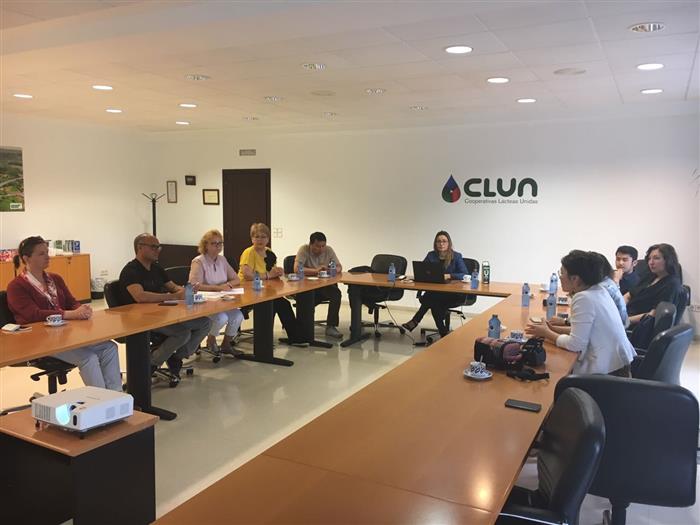
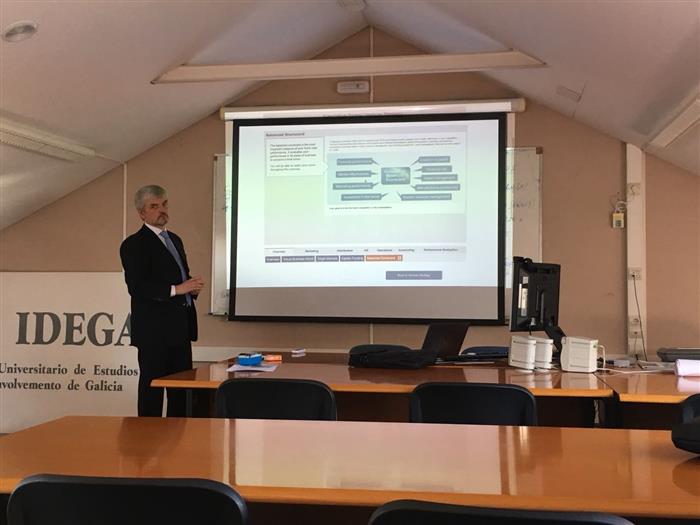
The general training seminar was divided into two main sections. The first part consisted of lectures on management tools and the legislature, as well as on the creation of an effective system of university business cooperation (UBC). The second part consisted of special trips to research institutes and business partners of the University.
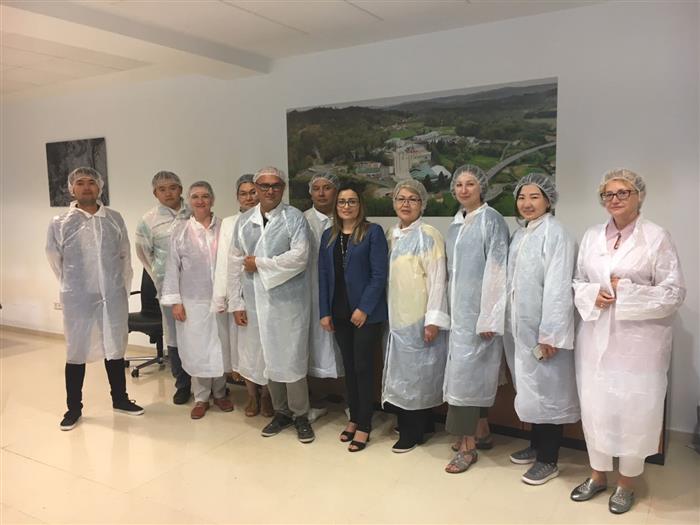
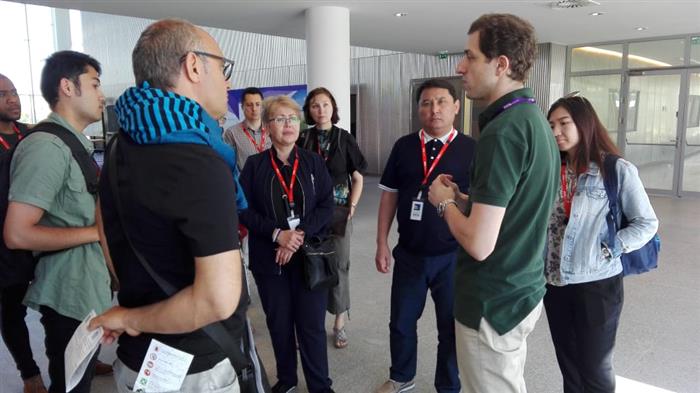
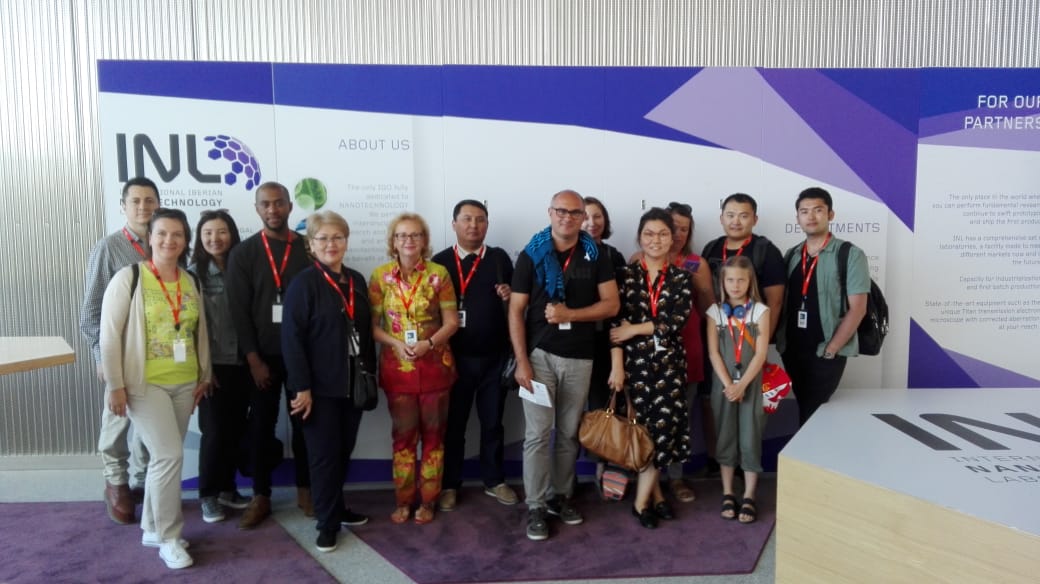
During the visit, the seminar participants at the University of Santiago de Compostela visited the "Ebcoro do Con" hydropower plant (the continental research center for the study of aquatic ecosystems) in the city of Pontevedra and the La Marina province of La Caruna "Marina da Grana" (research in marine biology and biology of the station encourage and support the implementation of achievements, as well as to disseminate research results in the field of marine animals for a scientific institution), INL International Iberia Nanotechnology Laboratory, an international nanotechnology company, and a cooperative FEIRACO, during the visit, got acquainted with their current economic situation, cooperative structure, mechanisms and practices, as well as communication and cooperation between higher educational institutions.
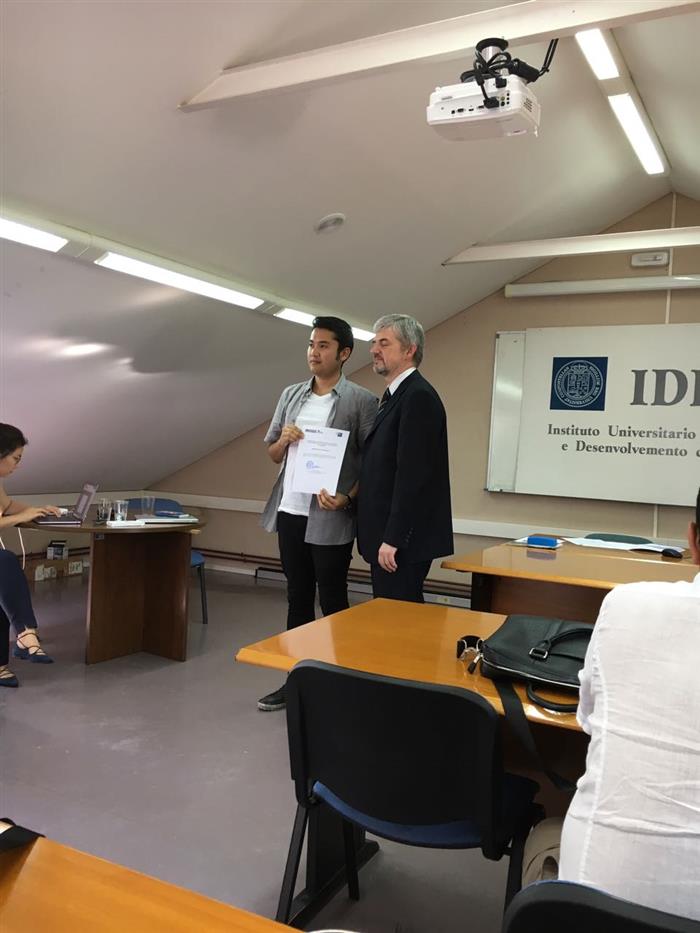
The University of Santiago de Compostela extensively disseminates new knowledge and technology through the transfer of new technologies. The process of transfer of new technologies was carried out on the basis of close cooperation of many researchers, such as university, government and venture capital fund. The University signed agreements with industry research institutes through its research institutes to commercialize the university's new knowledge and technologies by patenting and licensing research results. It protects the rights of inventors and universities, allowing enterprises to solve technical or technological difficulties and problems, as well as increase the competitiveness of the industry in the market.